

Enzymes! Don’t miss the biodegradable powder product that eliminates pesticides
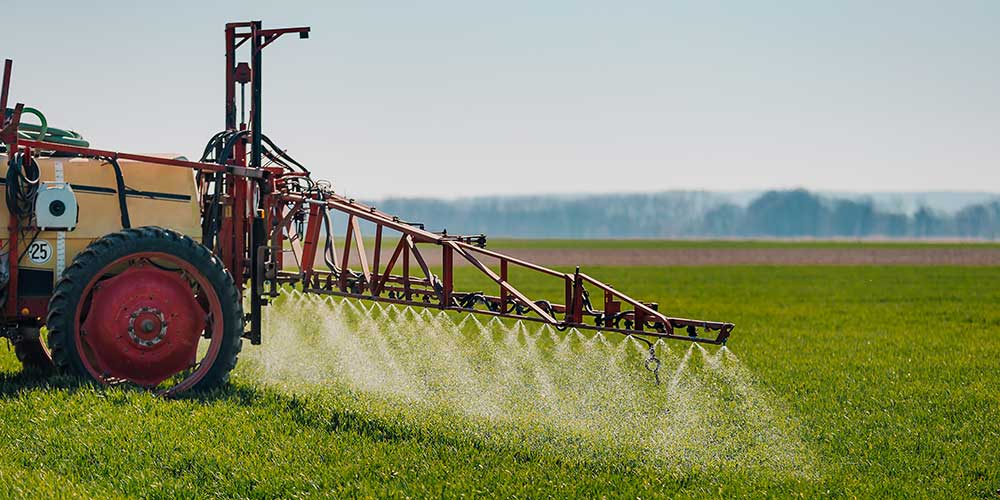
The use of pesticides is increasingly controversial due to their effects on the environment and human health. In a context where concepts such as agroecology or regenerative agriculture are gaining more and more strength, the industry needs solutions that minimise the environmental impact of agricultural activity.
A team of Argentinean scientists from the National University of Quilmes (UNQ) has developed an enzyme-based method to decontaminate water and food containing pesticides, particularly glyphosate, one of the most widely used and controversial pesticides.
This is how it works
The method used, called bioremediation, sounds like something out of a science fiction movie. It uses enzymes produced by micro-organisms that literally “consume” the pesticide, transforming it into new products that remain in the water and soil, but are not harmful. Best of all? It can be applied directly to food that has been exposed to glyphosate and other pesticides and to contaminated water, transforming these contaminants into non-toxic substances.
“Many studies indicate that the food we eat has a fairly high level of pesticides. The idea is to be able to contribute to fruit and vegetable washing processes with these biodegradable and safe enzymes,” explained expert Lorena Rojas, the project’s director.
In recent years, scientists and environmental researchers have found that the 500 million kilos/litres of toxic agro-chemicals used in Argentina each year do not remain in the places where they were applied, but spread and contaminate nearby water and land.
Now, the initiative is looking for partners in the private sector to take its innovation to large-scale production. The challenge is great, but the goal is clear: to offer a sustainable and economically viable solution for decontaminating food and water.